Independent Book Review
From Suez to Hormuz: A new struggle for the seas
Journalist Feyziye Özberk examines the book in the context of changing maritime power, global trade and strategic competition.
Odatv · 16 August 2026
Read ↗Turkish journalist, author and researcher working on maritime geopolitics, sea power, maritime strategy and the law of the sea.
The first edition is available in Turkish from the publisher and major Turkish booksellers.
A historical, legal, technological and geopolitical inquiry into whether the physical conditions that sustained freedom of the seas are beginning to change.
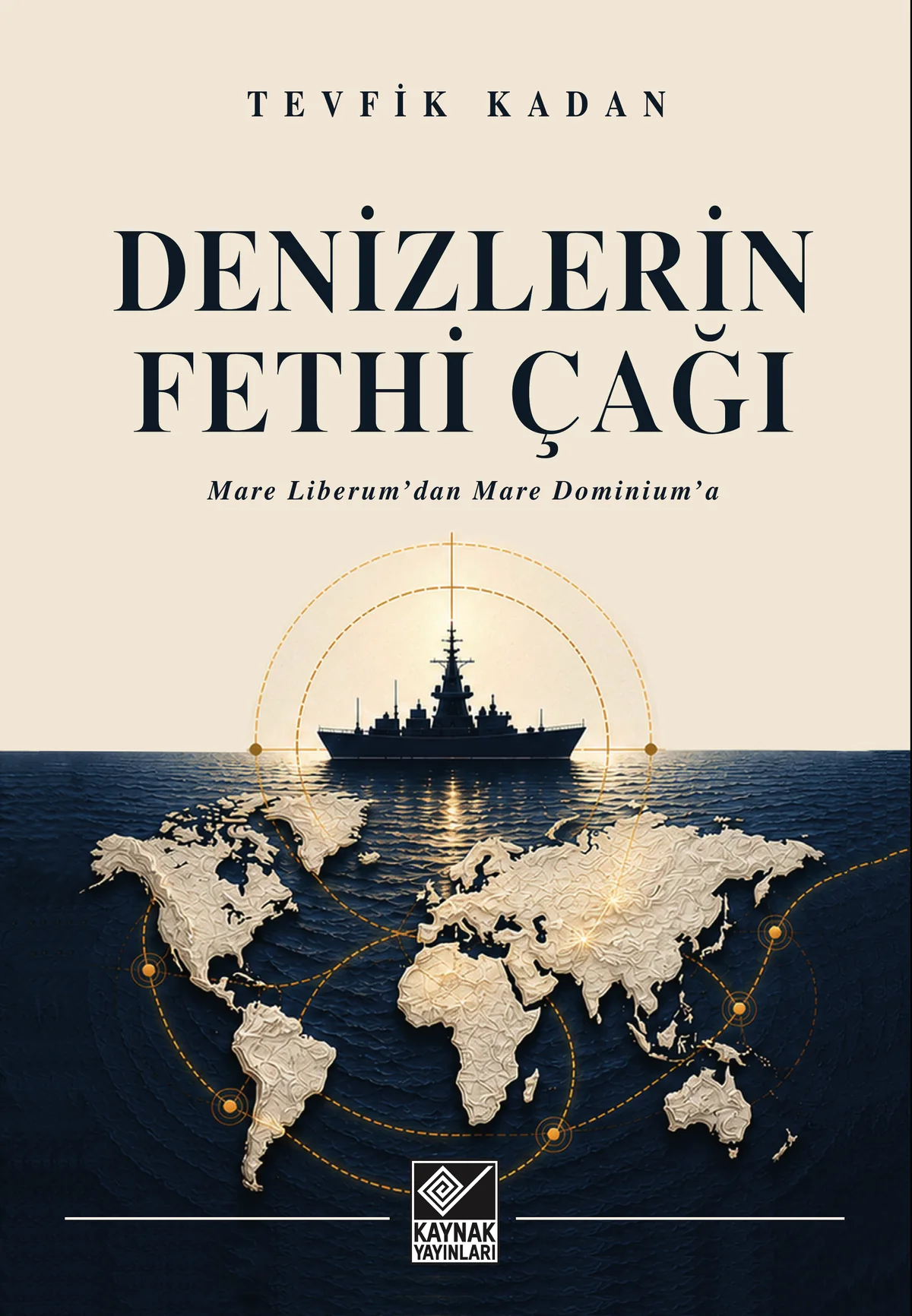
The book traces the long tension between Mare Liberum and Mare Clausum, and asks whether satellites, persistent surveillance, unmanned systems, precision weapons and strategic chokepoints are altering the practical meaning of maritime freedom.
It brings together sea power, maritime law, global trade, energy security, emerging technology and the transition toward a multipolar international order.
“History has not yet recorded the conquest of the seas.” The key word is yet.
The book asks what happens when maritime spaces remain legally free but become increasingly controllable in practice.
Formal legal freedom may increasingly coexist with effective technological and strategic control at sea.
For centuries, the difficulty of monitoring and controlling vast maritime spaces helped sustain the material conditions behind the freedom of the seas. Persistent sensors, satellites, unmanned systems, long-range precision strike and control of strategic chokepoints are changing that reality.
Mare Dominium describes an emerging condition in which a state need not formally own maritime space to acquire the capacity to monitor access, raise the cost of unwanted presence and exercise effective control.
Tevfik Kadan is a Turkish journalist, author and researcher specializing in maritime geopolitics and strategic affairs.
He is Editor-in-Chief of Aydınlık newspaper. His work focuses on sea power, maritime security, the law of the sea, freedom of navigation, strategic chokepoints and the technological transformation of the international maritime order.
His 2026 book Denizlerin Fethi Çağı: Mare Liberum'dan Mare Dominium'a develops a multidisciplinary argument around the changing relationship between maritime freedom and effective control.
Research at the intersection of law, power, geography and technology.
Naval capability, geography and access as foundations of strategic influence.
UNCLOS, maritime jurisdiction, navigation regimes and state practice.
Straits, canals, ports and narrow passages as nodes of global competition.
Sensors, unmanned systems and long-range strike as new instruments of control.
Reviews, interviews and conversations related to Denizlerin Fethi Çağı and the Mare Dominium thesis.
The Australian Naval Institute presents Tevfik Kadan’s Mare Dominium framework and the book’s argument on the transition from legal jurisdiction to strategic territorialisation and effective control.
Read at ANI ↗Journalist Feyziye Özberk examines the book in the context of changing maritime power, global trade and strategic competition.
Adil Hacıömeroğlu on the book’s research, sources, structure and accessible style.
A conversation on unmanned systems, energy routes, Blue Homeland and maritime control.
An English-language discussion of the book’s central arguments and the international maritime order.
A wide-ranging interview on the book, maritime geopolitics and Mare Dominium.
Hormuz, the Turkish Straits, Montreux, MİLGEM and the changing balance of maritime power.
The book featured for maritime-sector readers.
Commentary on the book and the emerging global order at sea.
A video review and recommendation of the book.
Deniz Kartalı introduces the book and its focus on the geopolitical struggle over the seas.
An interview on the deepest front of global power competition.
A public exchange connected with Türkiye’s maritime community.
A discussion of the book and the changing strategic order at sea.
Email: tevfikkadan@gmail.com